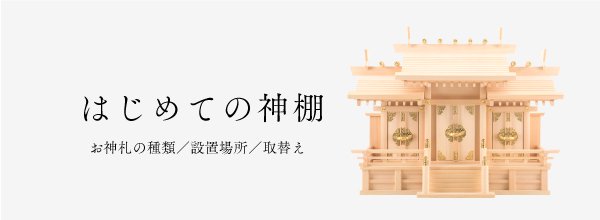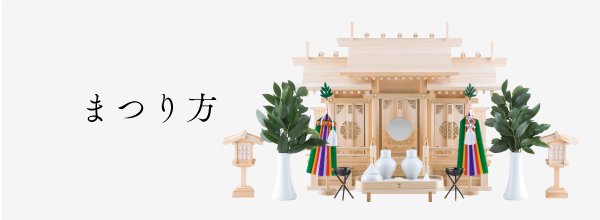
Welcome to the world of Kamidana ? a traditional Japanese Shinto home altar.
This guide explains the basics of Kamidana, including:
Whether you are new to Japanese spirituality or simply interested in bringing peace
and gratitude into your home, we hope this guide will help you begin your Kamidana journey.
A Kamidana is a sacred space in the home used to honor the gods and spirits of Shinto, Japan’s indigenous spiritual tradition.
It is often described as a “small shrine for the home,” where people respectfully place Ofuda ? sacred talismans received from Shinto shrines.
Displaying Ofuda in a Kamidana symbolizes respect for the divine and creates a dedicated spiritual space within daily life.
Through Kamidana worship, families express gratitude for nature, protection, health, prosperity, and happiness.
It is a beautiful Japanese tradition that nurtures mindfulness, kindness, and appreciation.
Clapping hands in prayer, giving thanks, and wishing for the future ? these simple acts connect everyday life with Japanese culture and spirituality.
Many people wonder when the right time is to begin using a Kamidana.
In Japan, Kamidana are often introduced during important life milestones or moments of gratitude and prayer.
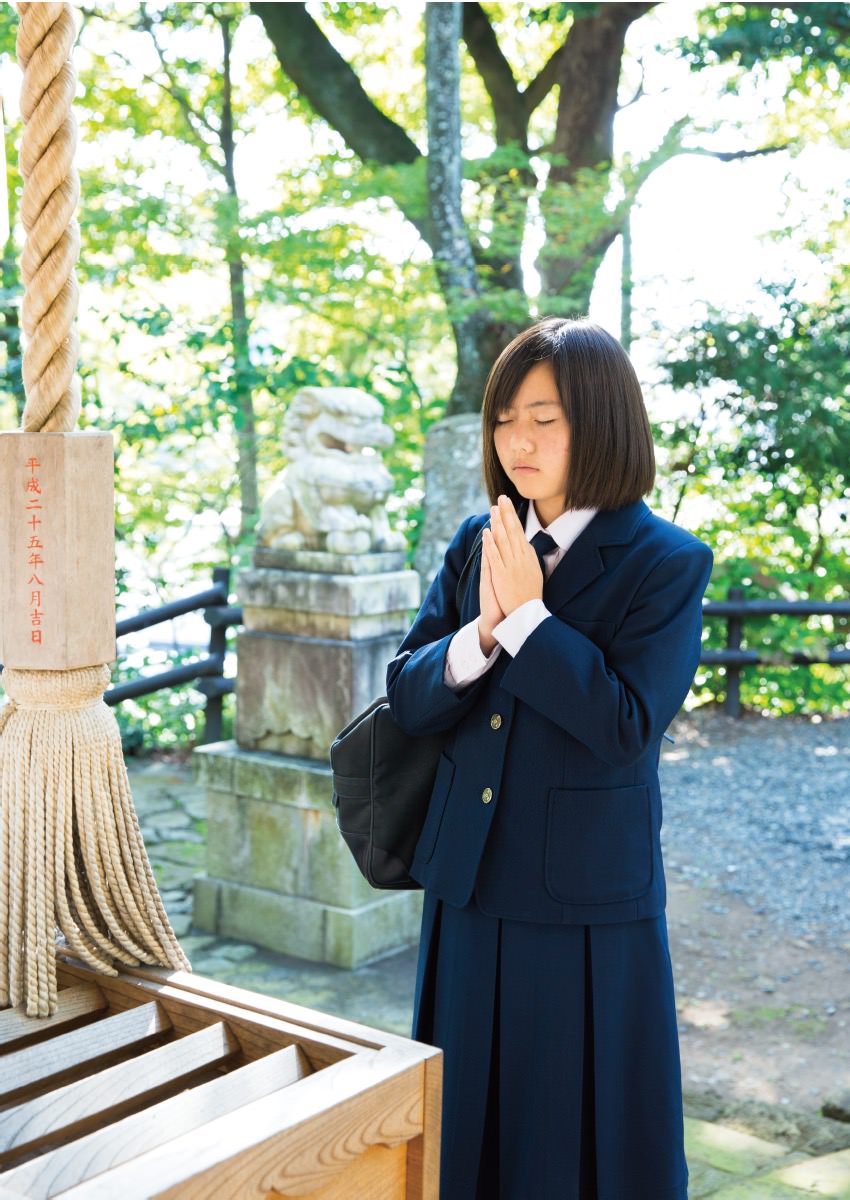
A Kamidana is commonly installed when: People pray for family prosperity,
business success, and protection.
Many families set up a Kamidana to pray for a happy marriage and the healthy growth of children.
In Japan, a baby’s name card is sometimes placed beneath the Kamidana after birth.
People pray for good harvests, prosperity, and abundance throughout the year,
offering their heartfelt wishes for a successful and fulfilling life.
A Kamidana is also used to pray for success in exams, victory in sports or competitions,
the safety of the family, and the healthy growth of children.
It serves as a spiritual symbol of gratitude, protection, and hope in everyday life.
There are many types of Kamidana available today, from traditional shrine-style
designs to modern minimalist styles suitable for contemporary interiors.
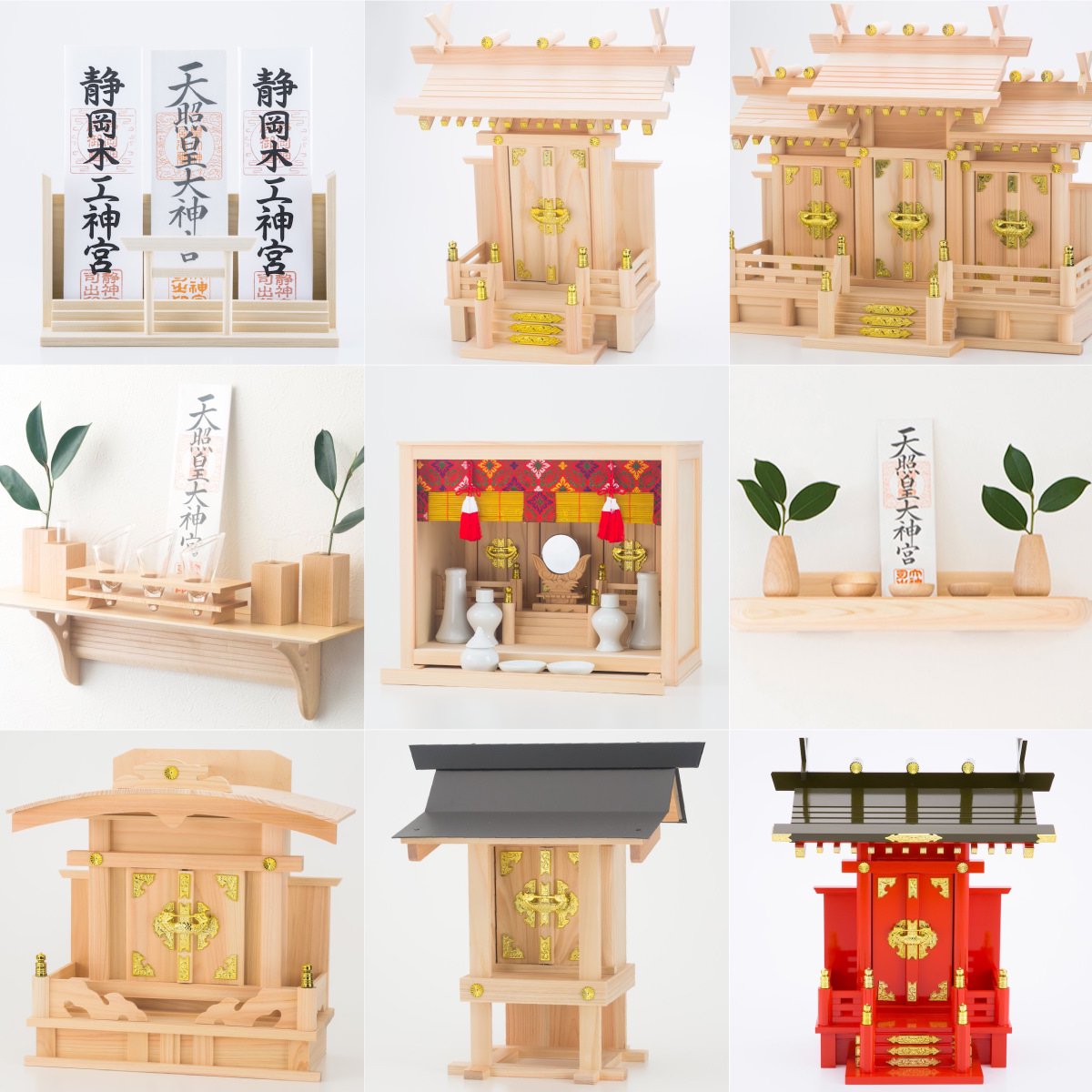
Before purchasing, make sure that the Kamidana fits the space where it will be installed and that your Ofuda can be properly placed inside the altar.
Checking both the available wall space and the size of the Ofuda beforehand is important when choosing the right Kamidana.
There are many different styles and designs of Kamidana available.
Traditional styles include authentic shrine-style Kamidana such as the door-equipped Single Shrine Style and Three Shrine Style. There are also Modern Kamidana designs that blend beautifully with contemporary homes, apartments, and living rooms.
With such a wide variety available, you can choose a Kamidana that best matches your interior space and lifestyle.
There is no strict rule that says a Kamidana must follow one specific style. Please choose one that feels appropriate and harmonious within your environment.
Because a Kamidana is used to honor Japanese deities, we recommend choosing a Japanese-made Kamidana. Natural materials such as Hinoki cypress wood are especially valued for their beauty and spiritual atmosphere.
If you are choosing a Kamidana for the first time and are unsure which style is right for you, please feel free to contact Kamidana no Sato for assistance.
※Contact Us Here
Ofuda are sacred talismans in which the spirit of a deity resides, making them even more important than the Kamidana itself. A Kamidana becomes spiritually meaningful only after an Ofuda is enshrined within it.
Here we explain the meaning of Ofuda, the different types of Ofuda, and where they can be received at Shinto shrines.
※ While many people casually write “Ofuda” as “O-fuda,” the formal term is “Ofuda” (sacred talisman).
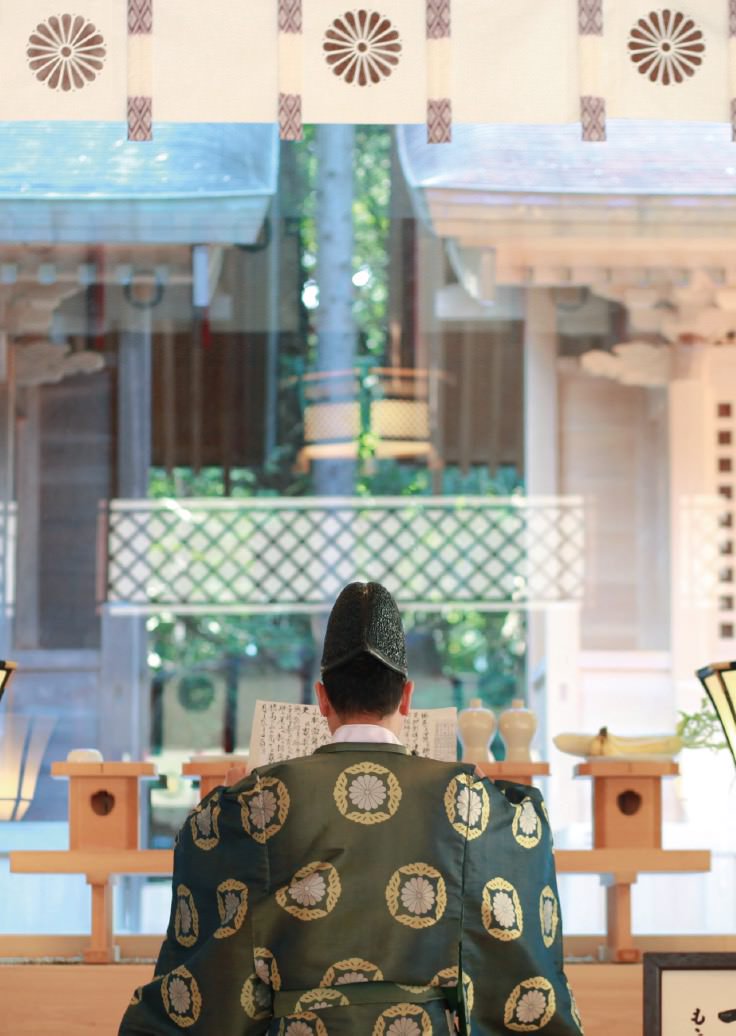
An Ofuda is a sacred symbol that has undergone a Shinto blessing ritual, allowing the spirit of the deity to dwell within it. Because Ofuda are sacred items bestowed by the gods, they should always be handled with care and respect.
Ise Grand Shrine, located in Ise City, Mie Prefecture, enshrines Amaterasu Omikami, the sun goddess and the most revered deity in Shinto. The Ofuda received from Ise Grand Shrine is called “Jingu Taima.”
An Ujigami is a local guardian deity who protects the land and the people living there. Traditionally, the Ofuda received from one’s local shrine is called “Ujigami Ofuda.”
※ In a Kamidana, it is customary to enshrine both the Jingu Taima from Ise Grand Shrine and the Ujigami Ofuda from your local shrine. Both can usually be received from your local shrine.
Ofuda should not be kept forever once enshrined.
Here we explain when Ofuda should be replaced and the traditional one-year protection period associated with them.

Ofuda are traditionally replaced once a year.
After one year, the Ofuda that has housed the spirit of the deity is respectfully returned to a shrine with gratitude.
A newly blessed Ofuda is then received and enshrined to pray for peace, protection, and well-being in the coming year. Before placing the new Ofuda, it is recommended to clean and care for the Kamidana properly.
If the Kamidana or sacred accessories become damaged or worn, they should also be replaced.
Many families choose to renew their Kamidana and sacred items at the beginning of the New Year.